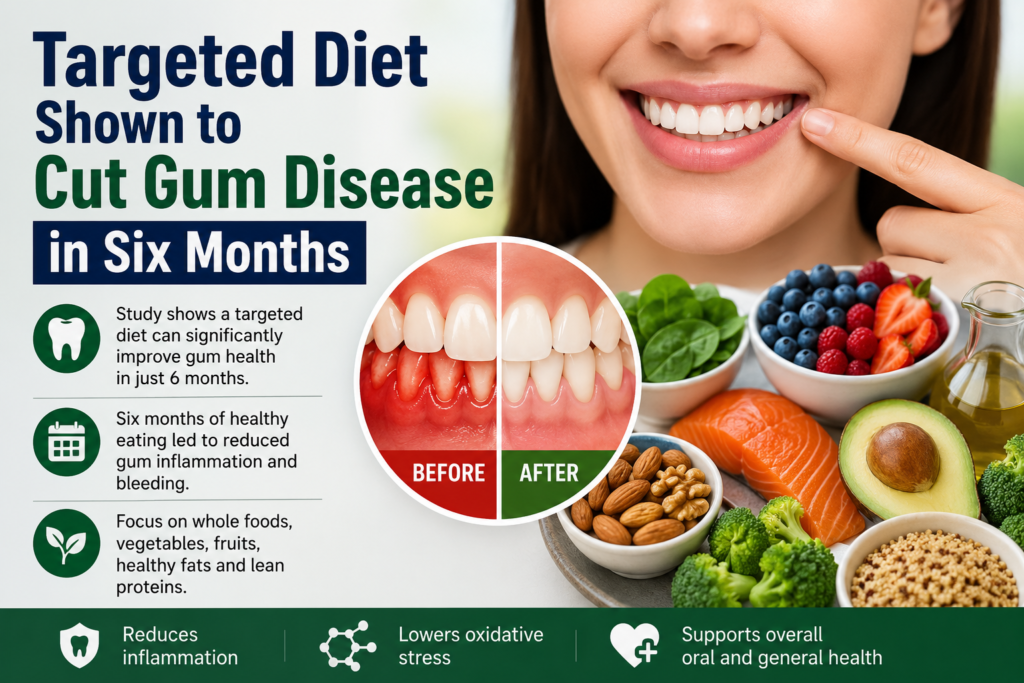
A targeted diet that emphasizes nutrient-rich foods while limiting processed and high-calorie items may significantly improve gum health within six months, according to recent research. The findings suggest that dietary changes can play an important role in reducing inflammation and supporting overall oral health.
Researchers found that participants who followed a balanced diet rich in vegetables, fruits, whole grains, healthy fats, and lean proteins experienced noticeable improvements in gum health. The diet was associated with reduced signs of gum inflammation, bleeding, and other symptoms linked to periodontal disease.
One of the key reasons behind these improvements is the reduction of oxidative stress in the body. Oxidative stress occurs when harmful molecules known as free radicals outnumber the body’s natural antioxidants. This imbalance can trigger chronic inflammation, damaging cells, tissues, and even DNA over time.
Experts explain that excessive consumption of high-calorie foods and refined carbohydrates—such as cakes, biscuits, pastries, sugary snacks, and sweetened beverages—can increase oxidative stress and promote inflammation throughout the body, including the gums. By limiting these foods, individuals may reduce inflammatory responses and create a healthier environment for gum tissue to heal.
In addition to avoiding processed foods, the researchers recommend increasing the intake of antioxidant-rich foods. Fresh fruits, leafy green vegetables, nuts, seeds, legumes, and foods containing omega-3 fatty acids provide vitamins and minerals that help combat oxidative stress and support the body’s natural defense mechanisms.
Maintaining good oral hygiene remains essential. Dentists advise brushing twice daily with fluoride toothpaste, flossing regularly, attending routine dental check-ups, and combining these habits with a healthy diet for the best protection against gum disease.
The findings add to growing evidence that oral health is closely connected to overall health. Chronic gum disease has previously been linked to conditions such as heart disease, diabetes, and other inflammatory disorders. Adopting a healthier diet may therefore offer benefits that extend beyond the mouth, improving general well-being while lowering the risk of chronic disease.
Health experts stress that while dietary changes can significantly improve gum health, they should complement—not replace—professional dental care and regular oral hygiene practices.